
Mastering Modern Gaming: Craft, Competition, and Critical Insight
A practical guide to thriving in gaming culture, from skill-building to thoughtful reviews and the esports ecosystem.
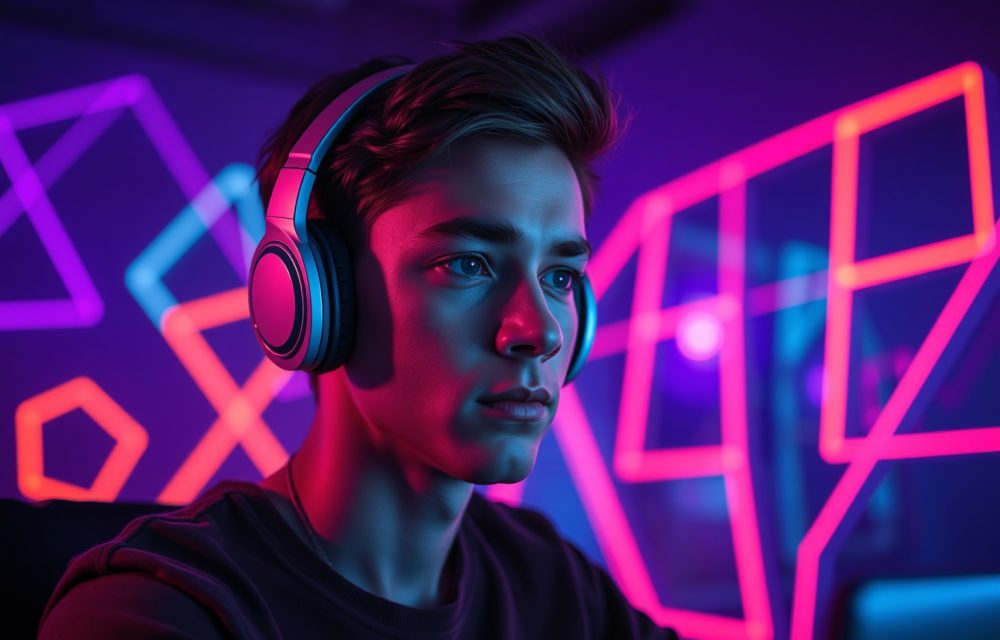
Competitive Craft and Skill Progression
In modern gaming, deliberate practice transforms raw potential into consistent performance across titles, genres, and formats. Players blend pattern recognition, strategic planning, and quick reflexes to outperform peers in ranked queues and casual sessions alike. Successful competitors study patch notes, track personal metrics, and iterate on tactics with disciplined routines, ensuring growth persists beyond a single title or season. This approach underpins long-term success in video games and esports alike, shaping career possibilities and weekend enjoyment. For a deeper look, see jemputhoki situs resmi.
Developing a routine that balances theory with hands-on practice is essential for any serious gamer. Players analyze map layouts, weapon dynamics, and meta shifts while maintaining healthy gaming habits to prevent burnout. Regular scrimmages, review of own replays, and targeted drills help codify decision-making under pressure, enabling sharper in-game execution. As performance scales, so does the capacity to mentor teammates, foster cohesion, and contribute to a winning team dynamic across diverse game modes.
Critical Thinking and Game Evaluation
Beyond winning, thoughtful engagement with video games involves evaluating design choices, narrative coherence, and technical execution. Players and reviewers weigh pacing, balance, accessibility, and innovation, forming judgments that resonate with broader gaming communities. Effective critique bridges subjective taste with objective criteria, offering actionable insights for developers and fans while elevating discourse around esports and competitive play. This analytic lens enriches both personal enjoyment and communal conversations about the medium.
Gamers often compare experiences across platforms, franchises, and update cycles to determine value and longevity. By tracing progression systems, monetization strategies, and user experience, players cultivate a nuanced understanding of why some titles endure while others fade. The resulting knowledge informs recommendations, streaming angles, and decision-making about future commitments in gaming, video games, and related entertainment spheres. Such evaluative practice supports informed consumer choices and fosters healthier industry dialogue.
Esports Ecosystem and Career Pathways
The esports landscape blends competition, sponsorship, and media to create viable opportunities for skillful players, commentators, and production crews. Top teams recruit for coordination, communication, and strategic depth, while analysts translate complex gameplay into accessible narratives for audiences. A robust ecosystem rewards consistency, adaptability, and mentorship, enabling rising stars to climb ladders through ladders, qualifiers, and academy rosters. This dynamic environment continually expands possible career trajectories within gaming at large.
Beyond players, roles such as coaches, analysts, and content creators amplify the reach and professionalism of esports. Streamers and reviewers translate in-game experiences into accessible content that informs and entertains. Communities rally around tournaments, fan-led events, and greenlighting indie titles, creating a vibrant, interconnected culture that sustains the industry’s growth. The crossover between competition and media production strengthens the entire gaming economy over time.
Game Design, Accessibility, and Player Experience
As games evolve, designers face the challenge of balancing depth with inclusion, ensuring experiences remain engaging for newcomers and veterans alike. Accessibility options, adjustable difficulty, and clear onboarding reduce friction, enabling broader participation. Thoughtful design decisions, from control schemes to UI readability, empower players to explore systems without frustration, fostering longer play sessions and more meaningful engagement with the game world.
Designers that embrace player feedback cultivate communities that feel heard and valued. Iterative testing, public betas, and transparent patch notes help maintain trust while addressing balance concerns. When a game demonstrates responsiveness to community input, it often sees a richer, more diverse player base and a stronger competitive scene, reinforcing the symbiotic relationship between user experience and ongoing content development.
Storytelling and Artistic Expression in Gaming
Video games have emerged as a leading form of narrative artistry, blending visual storytelling, music, and interactivity to evoke emotion and agency. Developers experiment with branching plots, environmental storytelling, and character-driven arcs to create memorable journeys that resonate across audiences. The artistry lies in how players influence outcomes, turning passive consumption into active creation and personal interpretation of the game world.
Indie and triple-A titles alike push stylistic boundaries, exploring genres from cyberpunk epics to pastoral adventures. Critics celebrate how these choices shape tone, pacing, and thematic resonance, while players savor discovery moments and meaningful choices. This dynamic dialogue between creator intent and player experience fuels ongoing conversations about what games can say and how they can evoke empathy through play.
Streaming, Content Creation, and Community Building
Livestreaming and video content have become central to game culture, enabling real-time feedback, coaching, and camaraderie across time zones. Successful creators cultivate authentic voices, reliable posting schedules, and interactive formats that invite audience participation. From live comment moderation to collaborative tournaments, these activities transform solitary gaming into shared experiences that amplify reach and influence within gaming communities and esports ecosystems.
Quality content often blends entertainment with education, offering tips, reviews, and personal narratives that help viewers decide what to play and how to play it. The best creators model constructive criticism, celebrate achievements, and spotlight underrepresented titles or studios. By fostering inclusive spaces and consistent engagement, they contribute to a healthier, more diverse landscape for gaming, video games, and competitive scenes.
Industry Trends, Tech, and the Future of Gaming
Current industry trajectories point toward greater convergence of cloud, AI, and cross-platform play, expanding access and multimodal experiences. Developers experiment with scalable architectures, photorealistic rendering, and adaptive audio to heighten immersion while considering energy use and hardware constraints. These innovations unlock new forms of interaction, social connection, and competitive parity across devices and regions.
As the market evolves, players can anticipate deeper personalization, more robust anti-cheat measures, and sustainable business models that reward creativity without eroding accessibility. The esports scene will likely continue expanding into mainstream sports ecosystems, while indie studios push bold, experimental titles that redefine what is possible in gaming. This forward-looking climate invites curiosity, cautious optimism, and thoughtful participation from enthusiasts worldwide.
Open Discussion
- How do you balance competitive play with enjoying the narratives and worlds in games?
- Which accessibility features have most improved your overall experience?