Four-Season Tent Decisions: What Buyers Must Weigh
The case file: what’s really at stake
You’ve read specs. You’ve seen glossy photos. Still something’s off. Buyers chase labels—“4-season”—but face buried problems: a tent that collapses under wind, a fly that funnels condensation, poles that snap when it matters. Follow the evidence. Start by testing whether a design handles sustained storms or just looks tough. I’ve even seen a neat solution that expands vehicle living space: car extended tent, which changes how you measure shelter needs when your vehicle is part of the footprint.
Problem: Wind and snow load — what to interrogate
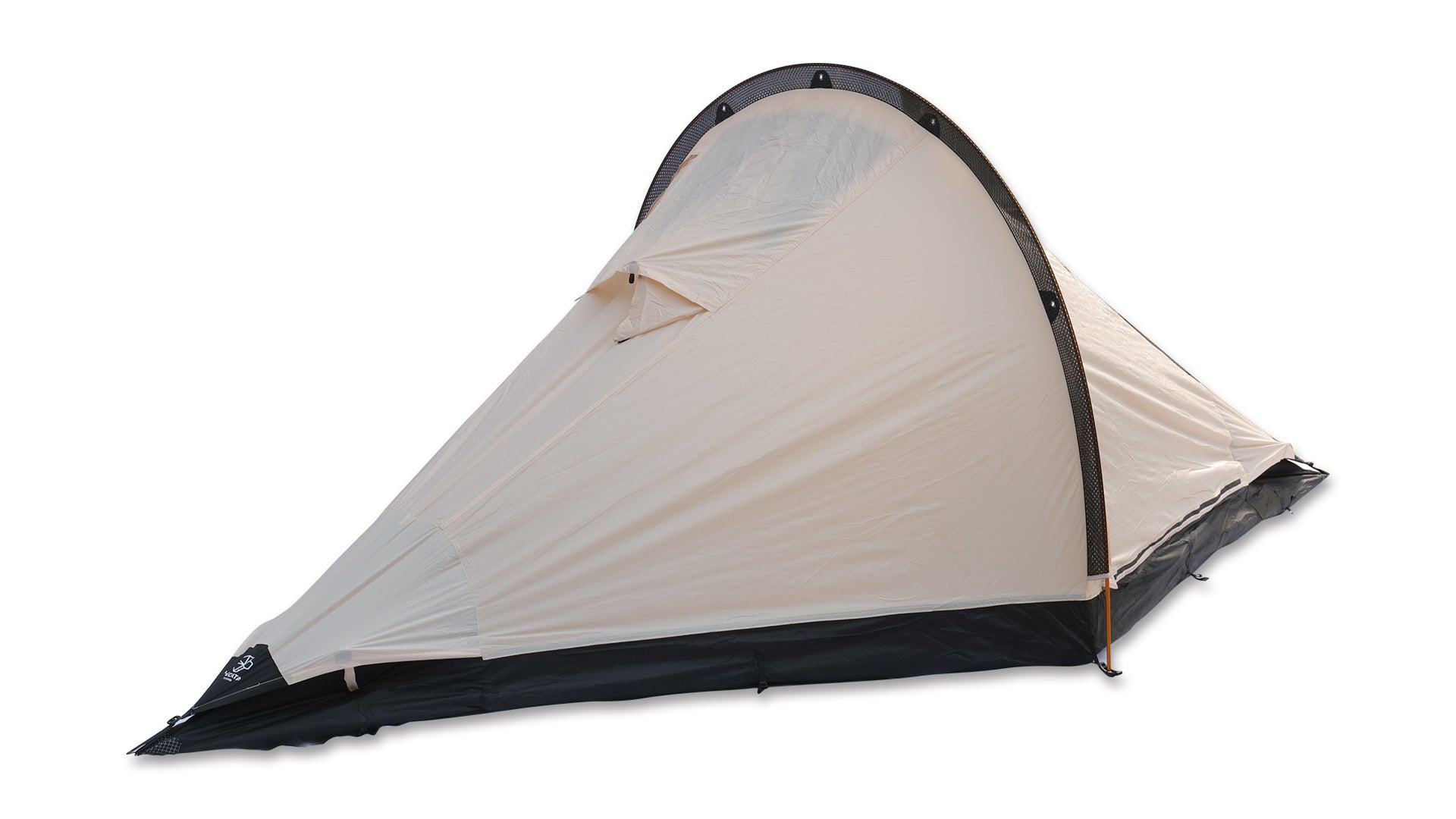
Don’t accept vague claims about “storm performance.” Look at pole geometry and anchoring options. Low-profile, geodesic or semi-geodesic shapes shed wind and move snow; tall tunnel tents do not. Ask for pole diameter and count. Check whether guy points are accessible when the ground is frozen. If you can’t imagine pitching while the wind is at your back, that tent fails the basic test.
Problem: Fabric, coatings, and seam integrity
Material names mean little without numbers. Request hydrostatic head ratings for both fly and floor. Look for factory-taped seams, not just silicone coatings. Inspect zipper protection and storm flaps. Aluminum alloy poles outperform fiberglass when repeated flex is expected. These are not aesthetic details; they’re failure points you’ll regret at 2 a.m. in a blizzard.
Problem: Condensation and ventilation vs. warmth
Trapped moisture kills comfort and gear. Four-season tents must balance insulation with airflow. Vents that close for warmth should be easy to adjust with gloves on. Mesh panels help during exertion and when weather clears. If a tent seals up like a vault, you’ll trade hypothermia risk for sodden sleeping bags.
 Problem: Weight, pack size, and setup under pressure
A heavy tent that’s “safe” can become a liability if it’s impractical to carry or takes forever to pitch in high wind. Note the packed volume and test the quickest assembly method: can one person manage it while conditions worsen? Multipiece poles reduce pack length but add assembly time. Choose the compromise you can execute without hesitation.
Problem: Vehicle integration and real-world testing
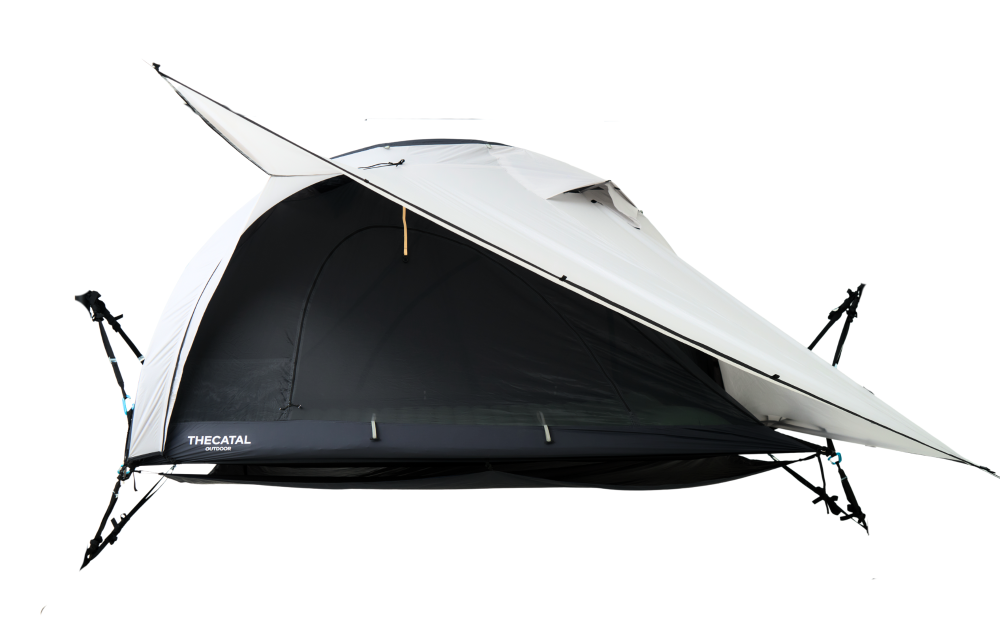
Compatibility with a vehicle changes priorities. In alpine camps near the Rocky Mountains, drivers use vehicle-tethered shelters to extend living space and shelter better than standalone tents. I’ve worked with field teams that favored modular designs that fasten to roof rails and tailgates. If you plan to use your car as base, evaluate how attachment points line up, how door seals hold, and whether the design forces awkward angles. One tested option people reach for is an outdoor car tent that mates to the vehicle without stressing the frame. That single detail alters packing lists and safety checks.
Common mistakes buyers make
They buy the lightest option without testing stability. They assume “4-season” means impermeable to cold and forget condensation. They skip hands-on checks for zipper quality and pole repairability. They ignore how set-up feels in foul weather. Avoid impulse purchases based on color or a single spec sheet.
Alternatives and practical comparisons
Consider hybrid setups: a lightweight three-season tent plus a durable vestibule, or a robust roof-top shelter for long winter runs. If vehicle access is frequent, a well-designed car shelter can replace a lot of tent complexity. Compare repairability, spare-part availability, and community feedback from alpine clubs or winter overland groups before you decide.
The deduction
Diagnosis done: list the failure modes you can tolerate, prioritize the features that stop those failures, then test candidates against those criteria. Practical checks—pole geometry, seam tape, vent placement, setup time, and vehicle fit—filter the noise. When your logic leads you to a solution that fits both conditions and habits, you’ll have more than a label: you’ll have shelter you can trust, quietly confirmed by field experience and sensible design from THECATAL.