
How Dalang’s Custom Engineering Transforms the Anaconda Water Slide into a Distinct Competitive Edge
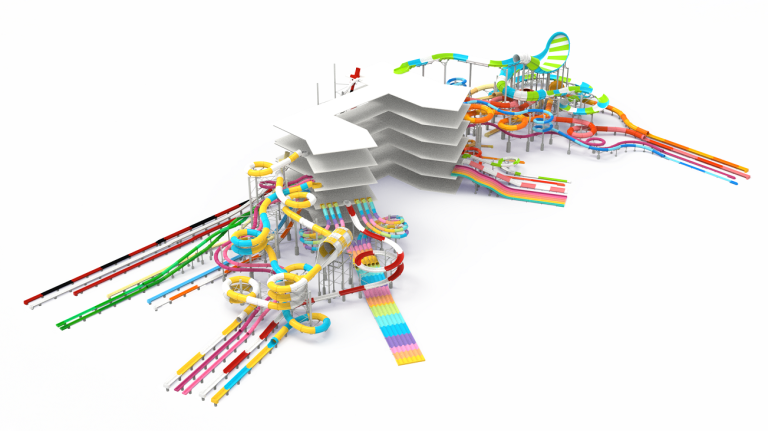
Comparative framing: what separates bespoke engineering from off-the-shelf options
The comparative lens begins by measuring predictable metrics against tailored outcomes. Standard models emphasize repeatability and rapid deployment; custom engineering emphasizes optimized performance and site fit. Early decisions about material choice, slide profile and hydraulic design determine operational longevity. For project teams seeking reliable returns, specifying components from recognized water park equipment vendors is prudent and reduces integration risk.
Design differences that matter in practice
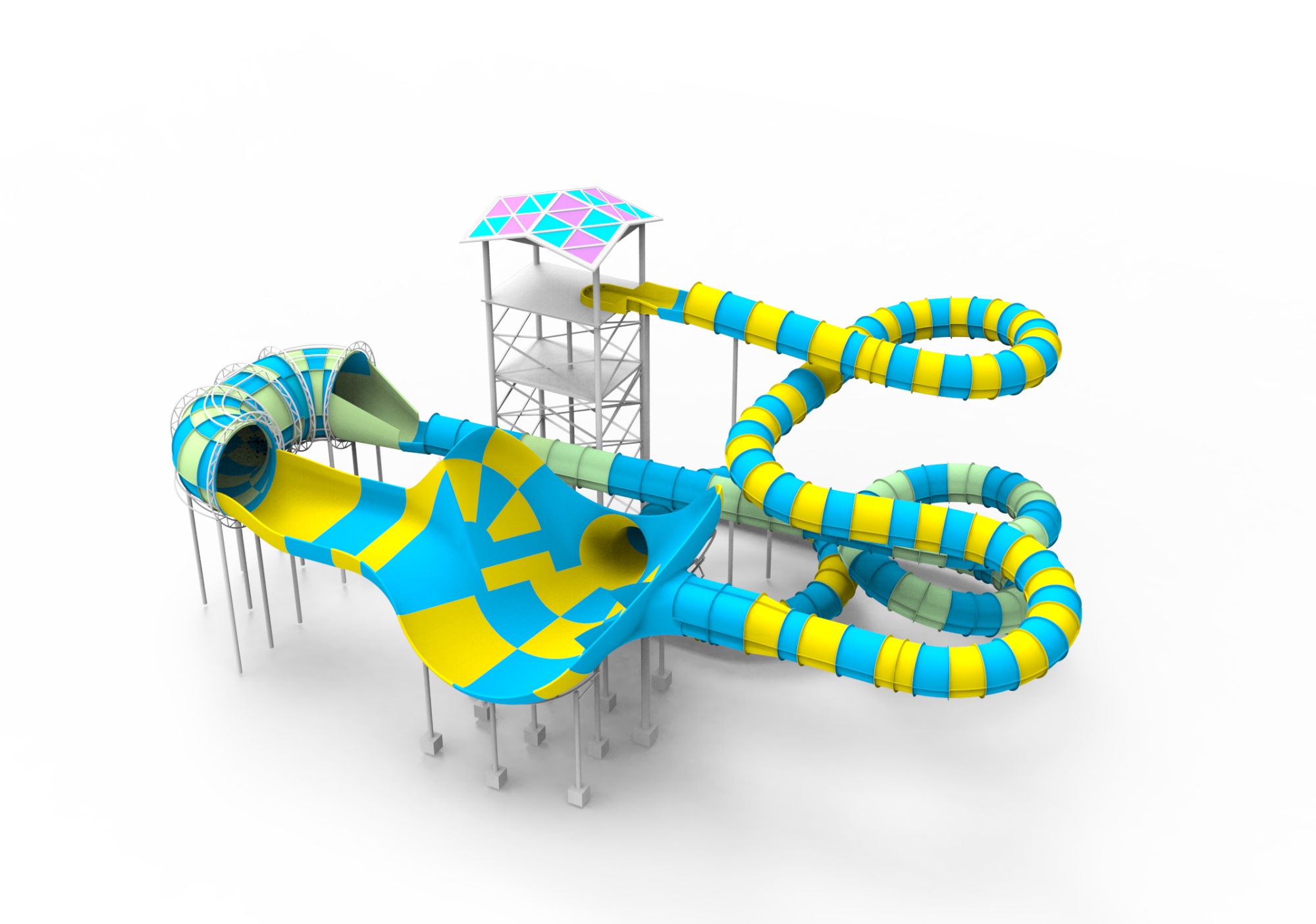
Most commercial slides use a common template: uniform curvature, mass-produced fiberglass slide segments, and generic gelcoat finishes. Dalang’s approach alters that sequence. The firm refines turning radius, tailwater elevation and flow rate to suit the specific footprint and guest throughput. The result is not merely a form change; it is a calibrated improvement in ride dynamics and maintenance needs. The Anaconda slide, for example, benefits when slide profile adjustments lower peak velocities without sacrificing thrill — a practical win for both safety officers and operators.
Operational production teardown: from specification to commissioning
Operational breakouts reveal where value concentrates. First, structural analysis and mold tooling ensure the fiberglass slide sections meet targeted load factors. Second, hydraulic design defines pumps and water recirculation paths to achieve consistent flow rate and to reduce energy cycles. Third, installation sequencing and gelcoat finishing shorten downtime during commissioning. Integrating the anaconda water slide early in procurement documents secures compatible components; listing the Anaconda slide variant prevents late-stage change orders that drive cost and delay.
Procurement and supplier considerations
Selection of vendors is consequential. Working with experienced water park equipment suppliers streamlines logistics, warranty alignment and spare-parts forecasting. Comparative bids should be evaluated on three axes: delivery reliability, documented performance (including site references such as established parks), and clarity of maintenance protocols. Operators who prioritize suppliers with verifiable installations reduce contingency budgets and shorten commissioning windows.
 Real-world anchor and case perspective
Consider installations at internationally recognized parks, where sustained guest volume exposes design flaws quickly. Wild Wadi Waterpark in Dubai, for instance, illustrates how high throughput demands precise hydraulic balance and resilient finishes. Lessons from such venues show that refined slide geometry and robust water recirculation strategies reduce unscheduled closures. These are tangible outcomes, not abstract projections—measurable uptime and predictable maintenance cycles follow sound engineering choices.
Common pitfalls and corrective practices
Frequent mistakes persist: under-specifying pump capacity, ignoring seasonal flow variation, and accepting one-size-fits-all molds. Corrective practice includes early-scale testing, specifying tolerances for UV-resistant gelcoat, and documenting turn-by-turn profiles for each slide segment. Midway through projects it is permissible to revisit profiles — a brief redesign can prevent long-term erosion of ride quality. — This mid-course flexibility often saves far more than it costs.
Comparative summary and decision framework
Custom engineering delivers measurable differences: reduced energy consumption through matched flow rates, fewer repairs due to tailored structural supports, and higher guest satisfaction from refined ride dynamics. Standard units remain appropriate where budgets constrain customization, but operators should quantify trade-offs rather than assume equivalence.
Advisory close: three metrics to guide procurement and design choices
1) Uptime Ratio: target a minimum scheduled-plus-unscheduled uptime of 98 percent through validated components and service agreements. 2) Energy per Ride: specify and verify flow rate and pump efficiency so that energy consumption per ride is tracked and optimized. 3) Maintenance Interval: require documented mean time between scheduled maintenance for slide segments and coatings; shorter intervals indicate hidden design stressors. These three metrics orient procurement toward long-term value rather than initial cost.
Dalang naturally aligns with these priorities, offering custom solutions that translate engineering choices into operational advantage—tested, documented, and delivered with an eye to the realities on the ground. —