
Common User Missteps When Choosing a Laser Engraver Fume Extractor — A Practical Guide
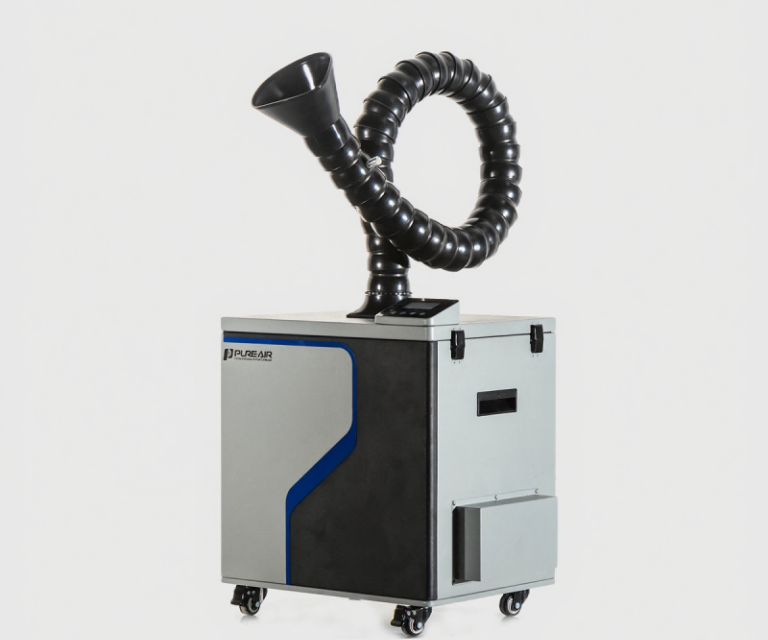
Introduction: A Maker Space Moment
I was teaching a weekend workshop when the smoke alarm went off — nobody expected the smell to be that strong. In that room we had a laser engraver fume extractor sitting by the bench, but it wasn’t set up right, and people still complained about odors and eye irritation. Recent lab checks show that volatile organic compounds (VOCs) and ultrafine particles from certain materials can spike during cuts, and small shops often under-ventilate (yep, I’ve seen it at local maker spaces). So what went wrong: equipment choice, duct layout, or just user habits? Let’s peel that back and get a clearer game plan.
Why Typical Setups Break Down
When you buy a fume extractor for laser engraver, the spec sheet can feel reassuring — but specs alone don’t solve real-world problems. I’ve watched units with strong rated airflow fail because the workshop had poor ducting and high backpressure. The usual culprits are mismatched fan impeller size, undersized duct runs, and filter media that doesn’t match the chemistry of the fumes. In practice, HEPA filters trap particulates, while activated carbon adsorbs VOCs — you need both layers in the right order. Airflow velocity matters too: if the capture hood is too far from the cutting surface, contaminants escape before reaching the intake. Look, it’s simpler than you think: capture close, filter appropriately, and clear the exhaust path.
How does this happen so often?
First, buyers rely on single-number ratings like CFM without checking static pressure curves. Second, shops assume one-size-fits-all filters will handle every material — they won’t. Third, maintenance gets ignored until performance drops. I recommend simple tests: measure airflow near the nozzle, inspect filters visually, and swap filter types when cutting coated or composite materials. These checks catch most hidden pain points. We’ve also seen noise complaints (yes, sound levels matter in shared spaces) and overlooked electrical needs — some extractors need stable power converters to keep fan speed steady. Fix those and the extractor will actually do its job.
 New Principles for Better Extraction: What to Expect Next
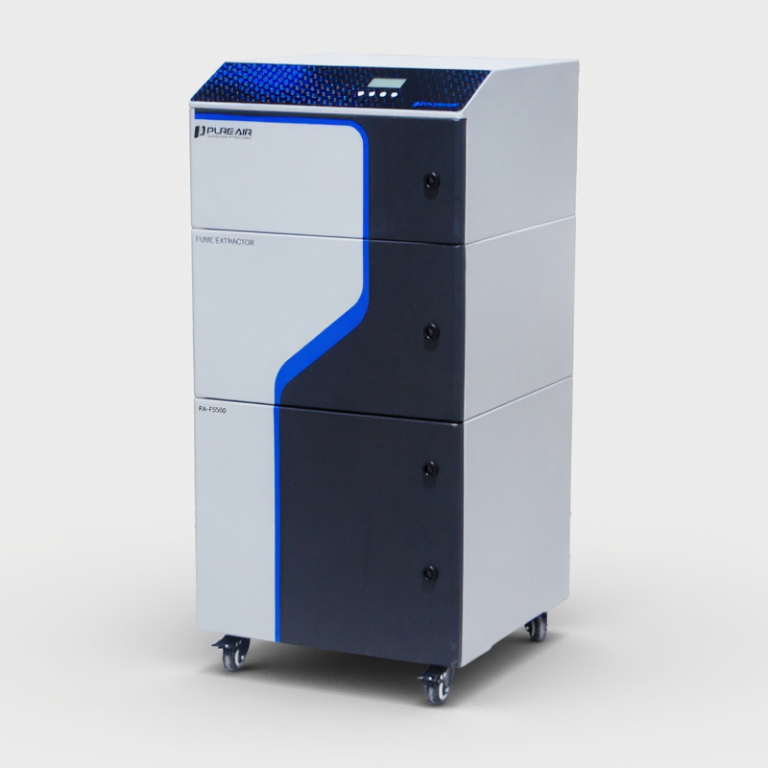
Moving forward, I think the smartest shops will combine smarter sensing with clearer capture design. Modern systems are adding sensors to track particulate counts and VOC levels in real time, so the extractor ramps up only when needed. That reduces energy use and filter load (nice for tight budgets). When you consider a fume extractor for laser engraver today, look for models that report both airflow and filter saturation, or that offer modular filter stages you can swap based on the material. These principles — sensor-driven control, modular filter media, and correct ducting — are practical, not futuristic.
What’s Next?
In practical terms, pilots and small shops should run a short trial: test sensored units on real jobs, not just demo cuts. Check how the system behaves on acrylic, plywood, and coated metal. Does it capture smoke at the source? Does the fan impeller maintain rpm under load? Also, remember maintenance: filters age and seals leak — replace and test. — funny how that works, right? I’ve seen teams switch to sensor-backed extractors and cut filter costs by 30% over a year because the system only ran full power when needed. Small changes, measurable gains.
Closing Advice: How I Evaluate Extractors
I’ll leave you with three practical evaluation metrics I use when advising shops. First, capture efficiency at the work surface — measure or demo it. Second, the filter train: does it include both particulate (HEPA) and adsorbent (activated carbon) stages, and can you change them based on materials? Third, operational telemetry — does the unit report airflow and filter life or at least give you an easy maintenance indicator? If a vendor can show those three things, they’ve earned my trust. Choose systems that are sensible, simple to maintain, and matched to your workflow.
We care about clean air, quiet nights, and a shop that actually runs — and if you want a brand that’s been in this space helping makers and factories do exactly that, check out PURE-AIR. I’ve worked with teams that saw clear improvements when they followed these steps, and I think you will too.