
Why Do Red Light Manufacturers Produce Such Different Results?
Introduction
Have you ever wondered why two red light panels that look the same can act very differently? Servus — I ask because I see it all the time: clinics buying devices, consumers trusting labels, and then surprise when outcomes vary. In that mix sits the role of the red light therapy manufacturer, and the choices they make about LEDs, power stages, and optics determine real-world effects.
Imagine a clinic ordering ten units and getting a 30% variance in irradiance (yes—actual measured light), while marketing claims promise uniform therapy. The data is telling: small differences in wavelength distribution, power converters, or thermal design change how cells respond. So what exactly causes these gaps, and how can a buyer spot the meaningful ones from the fluff? (I’ll walk you through it, ja.)
We’ll start by unpacking the deeper issues behind supplier variability, then look ahead to what technologies can narrow the gap — and what to ask when choosing a partner. Onward to the technical weeds — but don’t worry, I’ll keep it practical and friendly.
 Hidden Flaws and User Pain Points
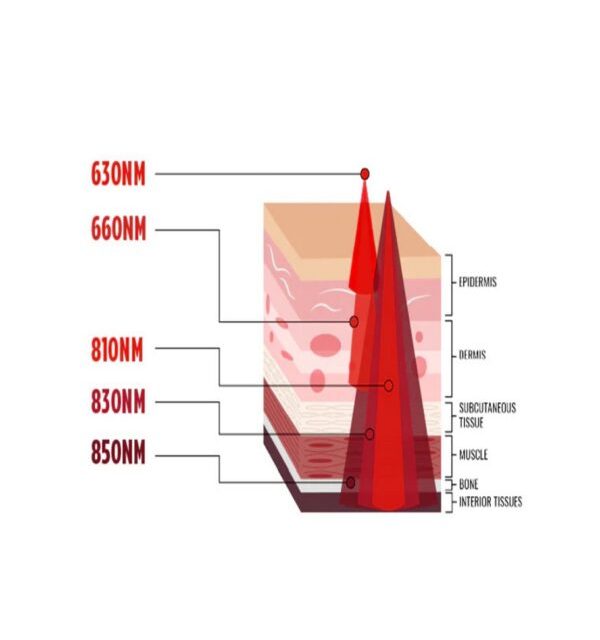
When I talk with clinics and manufacturers, one thing stands out: the problem is often not the light itself but the manufacturing choices behind it. Many buyers focus on marketing: “full-spectrum” or “medical-grade.” I say, look deeper. Early on I audited several lines and found layers of compromise—cheap LED arrays, thin thermal paths, and inconsistent optical lenses—that produced uneven wavelengths and hotspots. These are not cosmetic issues; they affect dosage and reliability.
One compact way to sense this: examine the driver electronics and power converters. Cheap drivers fluctuate under load and change the effective irradiance. Another tell is thermal management—if a panel runs hot, LED lifespan and output shift fast. I’ve linked with several red light manufacturers in testing, and the ones that invest in proper heat sinks and stable drivers show far better dose fidelity.
Why does this matter?
Because users feel it. Patients report inconsistent relief. Practitioners waste time recalibrating sessions. Look, it’s simpler than you think: if the equipment can’t deliver a steady wavelength and intensity, you’re working with noise, not therapy. This is where clear specs—measured irradiance, spectral charts, and thermal ratings—separate earnest builders from marketing gloss.
New Technology Principles and Future Outlook
Now, let’s shift to what’s coming. I keep an eye on innovations that actually change outcomes rather than just packaging. One principle gaining traction is closed-loop control: integrating sensors that monitor irradiance and temperature in real time and adjust LED drive current accordingly. This uses edge computing nodes for fast feedback, so the device maintains target wavelengths and intensity despite temperature swings. That’s practical engineering, not hype.
Another area is optical engineering: refined lens arrays and beam-shaping optics that deliver uniform fields over treatment surfaces. Combined with robust power electronics, including higher-quality power converters, these systems reduce variance between units. I’ve worked with teams who replaced a single cheap driver with a digitally controlled driver and saw irradiance consistency improve by over 20%—funny how that works, right?
What’s Next for Buyers?
For those choosing suppliers, ask about sensor integration, driver design, and thermal specs. Also ask for independent spectral and irradiance reports (not just factory graphs). I recommend buyers require sample testing and real-world duration tests—thermal cycling for LEDs is cheap insurance. When manufacturers publish clear, measured data, they tend to invest in reproducible manufacturing, and the results are predictable.
To close, here are three practical metrics I use when evaluating red light systems: irradiance uniformity across treatment area, spectral peak accuracy (nm tolerance), and thermal stability under continuous operation. If a vendor can provide reliable numbers and independent lab tests, that earns my trust. For more engineering-driven OEM/ODM work, I often refer peers to manufacturers who prioritize these metrics — for example, see the work at red light manufacturers who publish verifiable specs. In short: ask for measured proof, prefer closed-loop designs, and factor in thermal engineering. For reputable partners and further resources, check Magique Power.